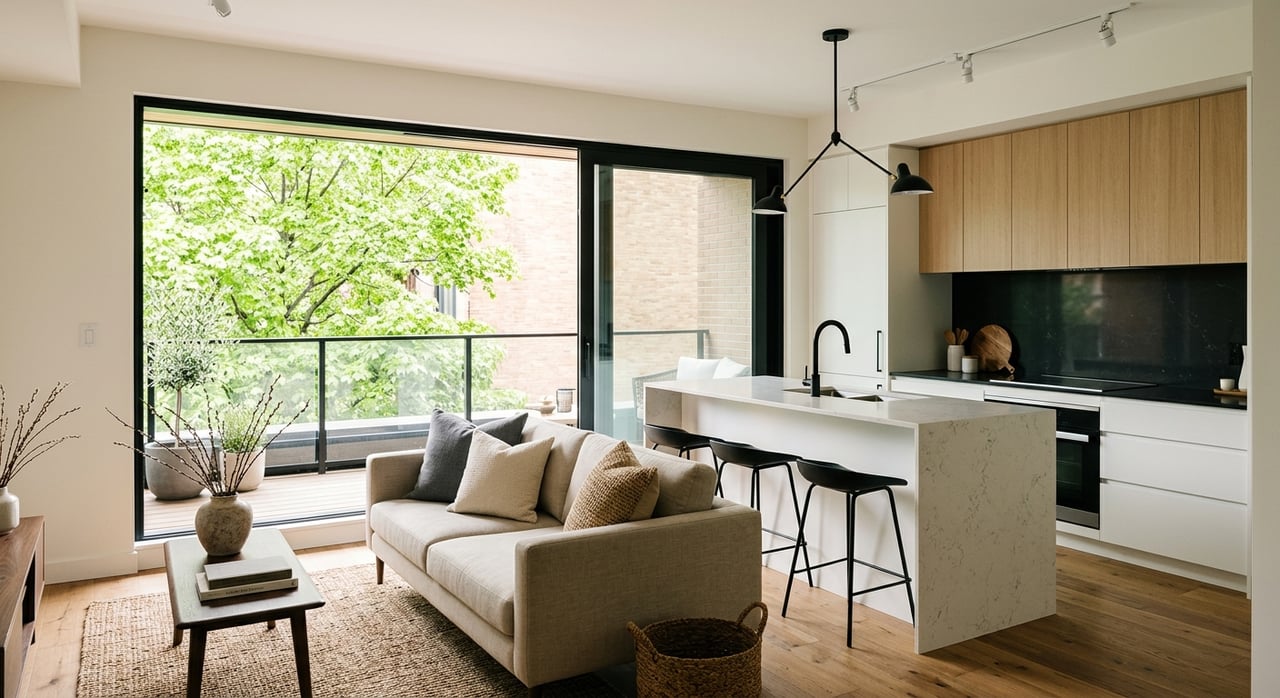
Looking for a home base that puts you close to the University of Michigan and downtown Ann Arbor without the upkeep of a single-family house? For many buyers, condo living in central Ann Arbor offers exactly that mix of convenience, walkability, and lower exterior maintenance. If you are weighing whether this lifestyle fits your move, this guide will help you understand what to expect, what to ask, and how to evaluate your options with confidence. Let’s dive in.
Why central Ann Arbor stands out
Central Ann Arbor is built around a pedestrian-friendly downtown framework. City design guidance emphasizes storefronts at the sidewalk edge, mixed-use streets, plazas, courtyards, and strong connections between major civic and campus destinations.
That matters if you want a home where daily life feels connected. In this part of Ann Arbor, you are often choosing not just a condo unit, but also a location designed for walking, short trips, and easy access to downtown activity.
The University of Michigan’s Central Campus is also a big part of the appeal. It is the academic core of the university and includes housing, dining, public spaces, and research facilities, with connections to other campus areas through transit.
For relocating professionals, faculty, staff, and buyers who want to stay near the center of the city, that downtown-adjacent location can be a major advantage. A shorter commute and easier access to campus amenities are often key reasons buyers focus on this area.
What condo living feels like here
Condo living near U-M and downtown Ann Arbor is usually more urban than suburban. In practical terms, that often means more compact floor plans, less private outdoor space, and more shared walls and shared building systems than you would find in a detached home.
That tradeoff is often intentional. Many buyers are willing to give up extra square footage or a private yard in exchange for location, convenience, and reduced exterior maintenance responsibilities.
You should also expect more shared amenities and common spaces. Under Michigan condo structure, common elements can include hallways, lobbies, building exteriors, recreation areas, and building systems such as heating, water, and electric.
In central Ann Arbor, some mixed-use residential buildings may also include features like ground-floor retail, residential lobbies, on-site parking, balconies, and decks. Those details can shape your day-to-day experience just as much as the unit itself.
What to expect from ownership
Owning a condo is different from owning a home on its own lot. Your ownership includes your individual unit, but it also involves a shared-interest structure governed by condo documents such as the master deed and bylaws.
That shared structure affects your monthly costs, your rights, and your responsibilities. It can also affect how decisions are made in the building and what changes you can or cannot make over time.
One key document is the master deed. In Michigan, the master deed sets ownership percentages, which help determine monthly maintenance fees, repair assessments, and voting rights.
That is why condo due diligence matters so much. Two units in the same general location can feel very different once you review how the association is run, what is included, and how the building plans for long-term repairs.
Condo fees and reserve funds
Monthly fees are a normal part of condo ownership, and they deserve close attention. These fees help support the maintenance and operation of common elements, and they may vary based on ownership percentages established in the master deed.
Michigan’s Condominium Buyer’s Handbook also states that associations must maintain a reserve fund for major repairs and replacement of common elements. The required minimum is equal to 10% of the annual budget on a non-cumulative basis.
For you as a buyer, healthy reserves can be an important sign. They do not eliminate future costs, but they can help show whether the association is planning for larger maintenance needs instead of reacting to them late.
It is also important to understand that monthly fees and assessments can become a lien on the unit. In addition, associations must provide an annual financial statement to each co-owner, which makes financial review a key part of the buying process.
Rules can shape your lifestyle
Bylaws are not just paperwork. They can directly affect how you live in the property and whether the condo fits your plans.
Before you buy, review the rules carefully for items such as pet policies, rental limits, and restrictions on outdoor displays. These details can be especially important if you are relocating, planning to keep a pet, or thinking long term about flexibility.
Michigan’s buyer handbook also notes that even if a restriction is not in place when you buy, the association may amend the bylaws later. Material changes can require co-owner approval, so it is smart to understand both the current rules and the governance structure.
This is one of the biggest differences between condo living and single-family ownership. You gain convenience and shared maintenance, but you also agree to shared governance.
Parking matters more than many buyers expect
In downtown Ann Arbor, parking should never be an afterthought. The Ann Arbor DDA manages more than 8,000 parking spaces across structures, surface lots, and metered on-street parking, and the city also maintains a residential parking permit program in areas where street parking is limited.
That means parking is more regulated here than in lower-density neighborhoods. If your condo includes deeded, assigned, leased, or limited parking access, you will want to verify the exact setup before you commit.
If you expect to rely on street parking, make sure you understand the local rules. This is especially important near areas affected by University of Michigan activity and event traffic.
A local factor to keep in mind is that on-street parking restrictions can tighten around U-M stadium events. Buyers who plan to depend on street parking should review neighborhood-specific rules carefully.
Transit and biking can change the equation
One reason central Ann Arbor condos appeal to so many buyers is that a car may not need to do all the work. Depending on your job, schedule, and location, transit, walking, and biking can reduce the need for daily driving.
U-M blue buses are free to students and guests on campus. Active U-M students, faculty, and staff with a yellow MCard also have unlimited access to TheRide fixed-route buses through the MRide program.
TheRide says its network connects nearly every corner of the Ann Arbor-Ypsilanti area. It also offers late-night and holiday FlexRide service within the city, which can add flexibility for buyers who want transportation options beyond driving.
Ann Arbor is also known for being compact and walkable, and U-M medical school materials note that the city has 79 miles of bike lanes. If you value being able to walk to downtown, bike to campus, or keep errands simple, that proximity can be a meaningful part of the condo lifestyle.
Who this lifestyle fits best
Central Ann Arbor condo living tends to work well for buyers who value convenience over extra exterior space. That often includes relocating professionals, university-affiliated buyers, and downsizers who want easier maintenance and a more connected daily routine.
For some buyers, the biggest win is time. Less exterior upkeep and a shorter commute can make daily life feel simpler, especially if you are balancing work, travel, or a move from out of town.
The tradeoff is just as important to understand. Condo owners accept HOA fees, reserve contributions, building rules, and shared decision-making in exchange for location and convenience.
That balance is personal. The right fit usually comes down to whether your priorities lean more toward walkability, access, and lower maintenance or toward space, privacy, and fewer shared rules.
Smart questions to ask before you buy
If you are comparing condos near U-M and downtown Ann Arbor, practical questions will usually tell you more than the listing photos alone. A well-located unit still needs to work for your budget, routine, and long-term plans.
Here are some of the most useful questions to ask:
- How much parking is included, and what type is it?
- What do the bylaws say about pets?
- Are there rental limits or leasing restrictions?
- How healthy are the reserve funds?
- Has the association issued any special assessments?
- What do the annual financial statements show?
- Which building systems and common elements are maintained by the association?
- How well does the location support walking, biking, and transit use?
These are the details that turn a condo from simply appealing to truly practical. When you review them early, you can avoid surprises and make a more confident decision.
Why local guidance helps
A condo purchase in central Ann Arbor is not just about finding an attractive unit. It is about matching your lifestyle goals with building rules, monthly costs, commute patterns, and the realities of downtown living.
That is where local guidance can make the process easier. If you are relocating, comparing neighborhoods, or trying to decide between a condo and a single-family home, it helps to work with someone who understands both the bigger Washtenaw County picture and the block-by-block differences that shape daily life.
If you are thinking about buying near U-M or downtown Ann Arbor, Darby Notario can help you evaluate your options with practical local insight and a responsive, hands-on approach.
FAQs
What makes central Ann Arbor condo living attractive for University of Michigan buyers?
- Central Ann Arbor offers close access to U-M’s Central Campus, downtown amenities, and transit connections, which can support shorter commutes and a more walkable daily routine.
What should Ann Arbor condo buyers know about association fees?
- Monthly condo fees are tied to the association structure and may help cover common elements, while reserve funds are required in Michigan for major repairs and replacements.
What documents should Michigan condo buyers review before purchasing?
- Buyers should carefully review the master deed, bylaws, financial information, disclosure materials, and other condo documents before signing or completing a purchase.
How important is parking for downtown Ann Arbor condos?
- Parking is a major due-diligence item because downtown Ann Arbor uses regulated street parking, public structures, lots, and permit systems that can differ from lower-density areas.
Can Ann Arbor condo rules change after you buy?
- Yes, condo associations may amend bylaws, and some material changes can require co-owner approval, so it is important to understand both current rules and the governance process.
Who is a good fit for a condo near downtown Ann Arbor?
- This lifestyle often fits relocating professionals, university-affiliated buyers, and downsizers who want lower exterior maintenance, central access, and a more urban day-to-day setup.