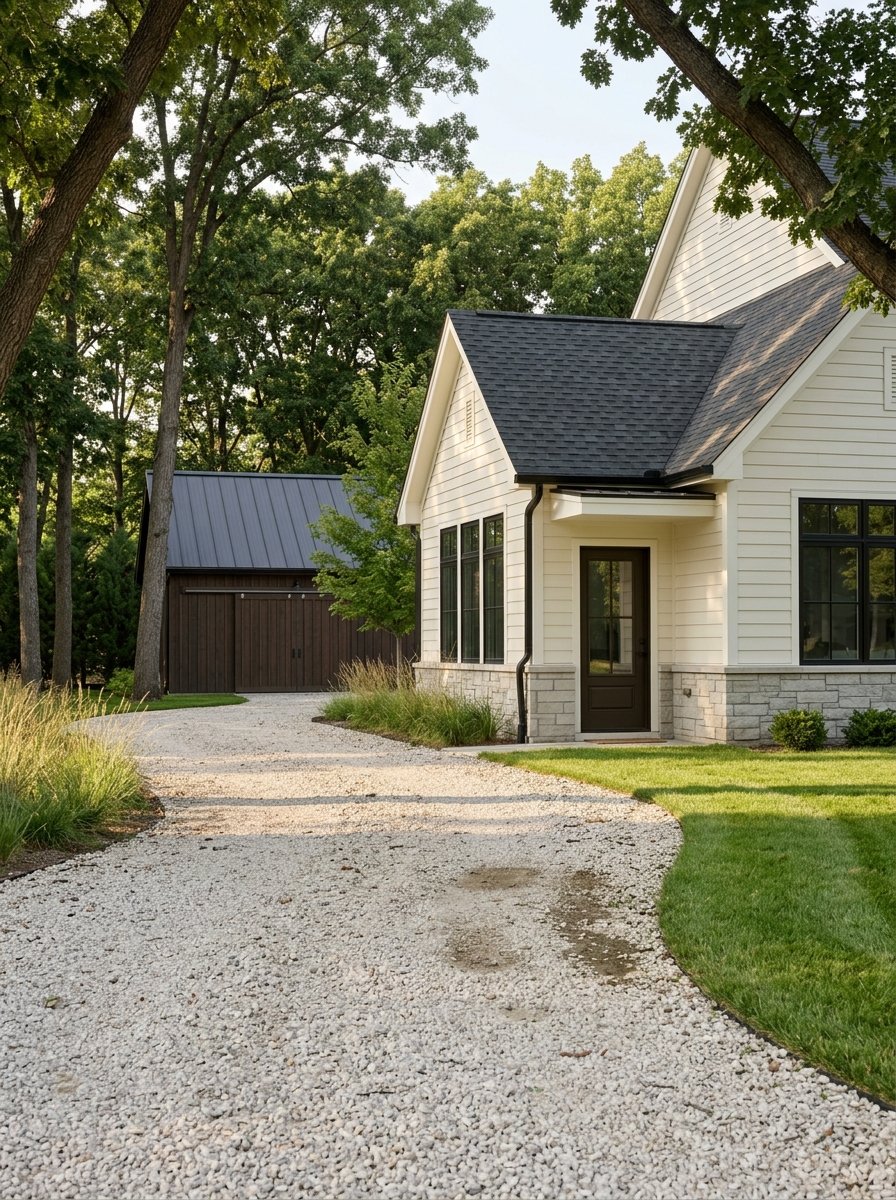
If you are dreaming about more land, more privacy, and a little more elbow room, buying acreage near Manchester can feel like a great next move. It can also come with questions that do not always show up in a typical home search, like zoning, road access, septic capacity, and private driveway upkeep. The good news is that with the right local guidance, you can sort through those details before they become expensive surprises. Let’s dive in.
Why acreage near Manchester stands out
Manchester Township has a distinctly rural land-use pattern shaped by agriculture, woodlands, wetlands, pastureland, and low-density homes. Under the township’s zoning framework, the Agriculture-Residential district is intended to conserve agricultural land and fragile natural-resource areas while allowing low-density single-family housing along many predominantly gravel roads, according to the township zoning ordinance.
That means your search is not just about finding a house with more acres. It is also about understanding how a specific parcel is regulated, how it is accessed, and what kind of infrastructure supports daily life there. Near Manchester, two properties with a similar look from the road can have very different rules and responsibilities.
The township’s joint master plan also describes Agriculture-Residential areas as places meant to preserve rural character while allowing low-density housing, generally in areas not planned for central sewer and water service. In practical terms, that makes parcel-level due diligence especially important if you are considering a country home or vacant land.
Start with zoning and parcel rules
One of the first questions to ask is simple: What zoning district is this parcel in? Not every rural-looking property near Manchester is governed the same way.
For example, the township’s AR district is built around agricultural land and low-density rural housing, while the LR district applies to one-acre minimum lots near the village with approved on-site water and septic, as outlined in the zoning ordinance. That difference can affect what you can build, how the parcel can be used, and what kind of improvements may be allowed.
Parcel dimensions matter too. Manchester Township measures lot width at the right-of-way line where the side lot lines meet a public road, private road, or multiple-residence driveway. For land partitions or lots created under 20 acres, the township also requires a width-to-depth ratio of no more than 1:4, with separate rules for flag lots and access strips under the same ordinance.
Why this matters to you
A parcel may look large enough for your plans, but looks alone do not tell you whether it complies with frontage, access, and layout standards. If you are thinking about a barn, a future addition, animal-related uses, or simply long-term flexibility, zoning should be part of the conversation early.
A map can help with a first look, but it is not the final word. Washtenaw County notes that MapWashtenaw is for reference only and should not replace a survey or deed review.
Access can shape daily life
One of the biggest differences between suburban and rural home buying is access. In Manchester Township, a building or structure established after February 21, 1998, must adjoin a public road, private road, or multiple-residence driveway that meets township standards, and the township will not issue a zoning compliance permit if approved access is not in place, according to the zoning ordinance.
That is a major detail for buyers because access is not just a paperwork issue. It affects convenience, maintenance, emergency access, and future improvements.
Public road, private road, or shared drive?
When you tour acreage properties, ask how the home is accessed:
- Public road
- Private road
- Shared driveway
- Multiple-residence driveway
- Flag lot access strip
These are not interchangeable. Township rules include special standards for multiple-parcel access, and flag lot arrangements have their own limitations under the local ordinance.
If a home sits more than 60 feet from a public or private street, the township also requires driveway access before foundation inspection. The driveway must meet minimum standards for width, vertical clearance, drainage, gravel base, and turnaround space for longer driveways.
Gravel roads and right-of-way issues
Road conditions can be a real lifestyle factor when you buy country property. The Washtenaw County Road Commission reports 8.81 miles of unpaved primary roads and 46.41 miles of local unpaved roads in Manchester Township. That can affect travel during snow, spring thaw, and periods of heavy rain.
If you are relocating from a more urban or suburban area, this is worth thinking about now. Gravel roads can be part of the charm, but they can also mean more attention to drainage, driveway wear, vehicle cleanliness, and seasonal driving conditions.
The road commission also states that permits are required for work in the public right-of-way, including adding a driveway or replacing a culvert, and notes that a typical rural right-of-way is 66 feet wide in many areas. You can review those details in the WCRC right-of-way FAQ.
Who maintains what?
This is another key buyer question. The county road commission maintains public roads outside city and village limits, but vegetation along private driveways and private roads is the owner’s responsibility, according to WCRC service information and the Manchester Township profile.
That means you will want a clear picture of:
- Who plows snow
- Who grades a private drive or road
- Who clears brush and tree limbs
- Who handles drainage concerns
- Whether there are shared maintenance agreements
Wells and septic need careful review
Many acreage properties near Manchester rely on private well and septic systems. Manchester Township requires buildings intended for human occupancy to connect to a county-approved water supply well and sewage disposal system, or municipal sanitary sewer where available. Health Department approval must be in place before a building permit or certificate of occupancy is issued, based on the township zoning ordinance.
For buyers, this is one of the most important parts of due diligence. You are not just evaluating the house. You are also evaluating the systems that support it.
District Health Department #10 issues private well and septic permits and specifically recommends a soil evaluation before buying property that will use septic. The department also recommends pumping a septic tank every 3 to 4 years.
Questions to ask about well and septic
Before closing, ask for as much documentation as possible, including:
- Age of the well
- Recent water quality testing
- Age of the septic system
- Date of the last septic pumping
- Any repair history
- Whether the soil supports the existing or intended septic use
These questions are especially important if you are buying vacant land, planning to build, or considering a property where future expansion may change system needs.
Barns, sheds, and intended use
Acreage often appeals to buyers because it offers options. You may want a barn, workshop, equipment storage, or room for agricultural uses. That is why it is smart to ask not only what is already on the property, but also what is actually allowed.
Manchester Township generally permits only one principal detached single-family dwelling on a lot, and accessory buildings cannot be used before the principal building except for agricultural purposes, according to the zoning ordinance. The ordinance also limits small portable storage sheds of 150 square feet or less to one per lot, with specific placement rules.
The AR district is the township district most closely tied to farmsteads, barns, animal uses, and similar rural improvements. Even so, the right question is not whether the parcel looks like it should allow your plans. The better question is whether the parcel, zoning, and access actually support them.
A smart acreage buying checklist
If you are considering country homes or land near Manchester, this checklist can help you stay focused:
- Confirm the zoning district
- Review lot size, frontage, and parcel layout
- Ask whether access is public, private, shared, or flag-lot based
- Request survey, deed, easements, and right-of-way documents
- Verify any driveway or culvert permit history
- Review well and septic age, permits, and maintenance records
- Ask about road, driveway, snow, and vegetation maintenance responsibilities
- Confirm whether barns, sheds, animal-related uses, or other improvements are allowed
These steps can save you time and help you avoid falling in love with a property that does not fit your goals.
Why local guidance matters
Buying acreage is often less straightforward than buying a typical subdivision home. You may be balancing house condition, land use, access rules, utility systems, and long-term maintenance all at once. Having someone who understands how these pieces fit together can make the process much smoother.
That is especially true if you are relocating or moving from a more conventional neighborhood setting into a rural property. A consultative approach helps you compare properties based not just on square footage and price, but on whether the parcel works for the way you want to live.
If you are exploring acreage and country homes near Manchester, working with a local team can help you ask better questions early and move forward with more confidence. When you are ready to talk through your options, connect with Darby Notario for practical guidance tailored to your search.
FAQs
What should you check before buying acreage near Manchester, Michigan?
- Start with zoning, parcel dimensions, legal access, well and septic details, survey documents, and who maintains the driveway or road.
How important is zoning when buying a country home near Manchester?
- Zoning is very important because it affects allowed uses, parcel standards, accessory buildings, and whether the property fits your plans.
Do rural properties near Manchester usually have wells and septic systems?
- Many do, and buyers should review permit history, water testing, septic age, pumping records, and whether the soil supports the system.
Are gravel roads common around Manchester Township?
- Yes. The Washtenaw County Road Commission reports both unpaved primary and local roads in Manchester Township, which can affect access and maintenance.
Can you rely on online parcel maps when buying land near Manchester?
- No. County GIS tools are useful for a first look, but Washtenaw County says they are for reference only and should not replace a survey or deed review.