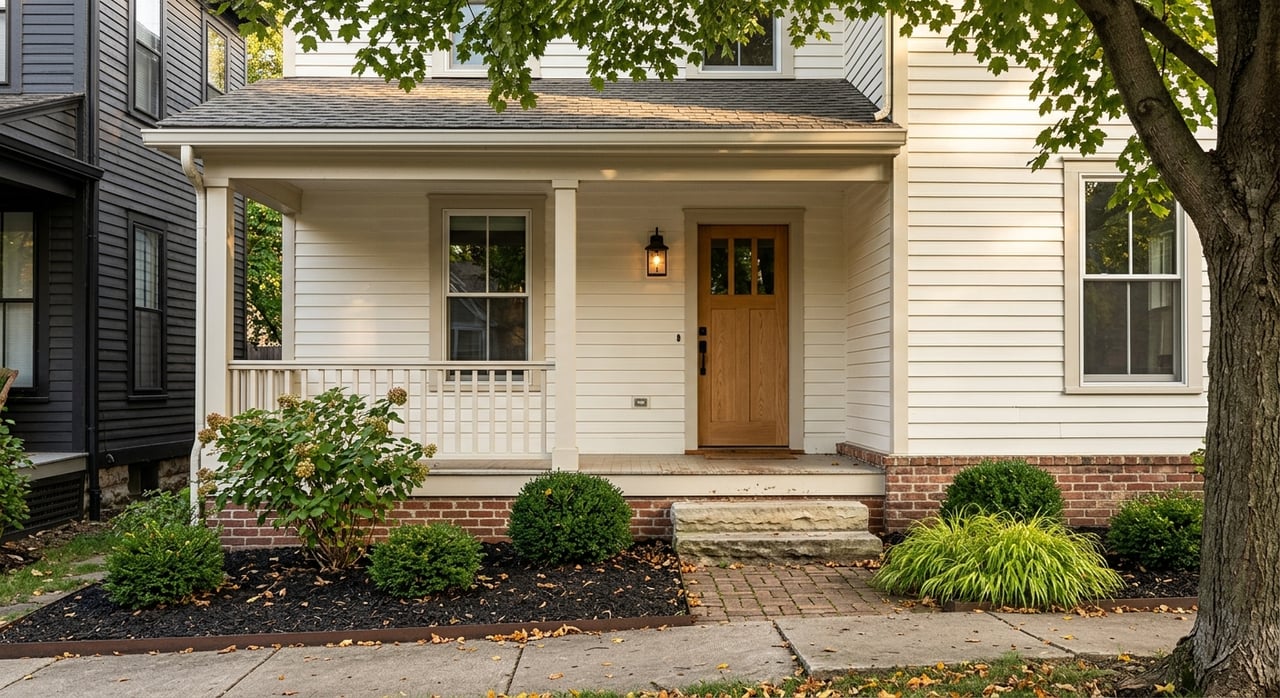
Wondering what it’s actually like to live in Ypsilanti’s historic districts day to day? If you are drawn to older homes, walkable streets, and places with real character, Ypsilanti offers a lifestyle that feels both rooted and active. From riverfront parks to local markets and preserved architecture, these neighborhoods give you a practical look at how history and daily routines can work together. Let’s dive in.
What makes Ypsilanti’s historic districts stand out
Ypsilanti’s historic core is unusually large for a city its size. The city notes that it has the second-largest continuous historic district in Michigan, which helps explain why so much of everyday life here happens in settings with deep architectural and civic history.
Downtown, Depot Town, and West Cross/Campus Town are treated by the Downtown Development Authority as the city’s key historic commercial areas. Together, they create a connected pattern of older buildings, active storefronts, and compact blocks that shape how you move through the city.
Instead of feeling like a museum, these areas function as lived-in neighborhoods and gathering places. That balance is a big part of the appeal if you want a home in a place with personality but still need convenience in your weekly routine.
Historic character you notice every day
One of the most distinctive parts of life in Ypsilanti’s historic districts is the variety of architecture. According to the Ypsilanti Heritage Foundation and the city’s 2025 survey report, the district includes well-preserved buildings from the 1830s into the mid-twentieth century, with a broad mix of styles.
You can see examples of Greek Revival, Colonial Revival, Prairie, bungalow, Queen Anne, Gothic Revival, and Italianate architecture across the city. On Huron Street alone, the city’s walking tour highlights Queen Anne, Italianate, Federal, Eastlake, Gothic Revival, and Second Empire homes.
That means the streetscape feels layered rather than uniform. If you enjoy neighborhoods where one block can tell several different stories through its homes and buildings, Ypsilanti delivers that in a very visible way.
Depot Town’s rhythm feels especially distinct
Depot Town offers one of the clearest examples of how history still shapes daily life in Ypsilanti. The city describes it as a neighborhood that developed in the second quarter of the 19th century as the city’s center of industry and transportation.
Today, that older framework is still easy to experience. The self-guided Depot Town walking route is just 6 blocks and 0.2 miles with a relatively flat, easy profile, which gives you a sense of how compact and approachable the area is on foot.
The original depot still stands, and trains still pass through at regular intervals. That detail may sound small, but it adds to the atmosphere and reminds you that this is a place where historic infrastructure remains part of the everyday backdrop.
The area also includes a concentration of pre-Civil War commercial properties, including landmarks like the Thompson Block, Masonic Block, Follett House, Freight House, and the depot itself. For buyers who want a setting with a strong sense of place, that intimacy can be a major draw.
Daily errands can feel more connected
Ypsilanti’s compact layout supports a lifestyle where walking and biking can fit naturally into the week. The city says most of Ypsilanti is walkable because of its compact historic neighborhoods and commercial districts.
That matters in practical terms. You are not just looking at pretty buildings. You are looking at neighborhoods where the design of the streets and commercial areas can make coffee runs, park visits, and casual outings feel easier to fold into your day.
The transportation picture also includes AAATA bus service, bike lanes, and the Border-to-Border Trail. The trail passes through Eastern Michigan University, Frog Island Park, Depot Town, Riverside Park, Downtown, and River’s Edge Linear Park, which helps tie together several parts of the city you may use regularly.
Shops, cafes, and local businesses shape the lifestyle
The city describes Downtown and Depot Town as places with unique and vibrant businesses. West Cross/Campus Town is noted for diverse dining experiences and cozy cafes.
For you as a resident, that mix can make everyday life feel less car-dependent and more local. Whether you are meeting a friend, grabbing a quick bite, or spending part of a weekend afternoon out in town, these business districts give you options close to home.
The Freighthouse next to Frog Island Park has also served as a community center with a farmers market, a café, and community meetings and events. That kind of multi-use community space adds to the feeling that public life in Ypsilanti is active and visible rather than tucked away.
Parks and river access add breathing room
Historic neighborhoods often appeal because of their architecture, but Ypsilanti also pairs that character with meaningful outdoor space. Riverside Park is a 16-acre Huron River park that links Downtown and Depot Town.
The park includes a playground, bike trail, fishing spots, picnic areas, and pavilion space. That makes it useful for everything from a quick walk after work to a longer weekend outing.
Just upstream, Frog Island Park adds an amphitheater, soccer field, walking track, and community garden. If you value a neighborhood where green space is woven into the urban fabric, this connection between historic districts and river parks is a major part of everyday quality of life.
The farmers market becomes part of the week
One of the easiest ways to understand a neighborhood is to look at where people return week after week. In Ypsilanti, the farmers market is part of that routine.
The city lists seasonal Saturday and Tuesday markets outside MarketPlace Hall. These markets support local growers, artisans, musicians, and special event days, which gives them a role that is both practical and social.
For residents, that can mean more than shopping. It can mean a standing weekend stop, a chance to connect with local businesses, and one more reason the historic districts feel active throughout the season.
Community life stays busy
Ypsilanti’s city pages emphasize a small-town sense of community along with a full event calendar. Annual and recurring events include Ypsi Pride, Juneteenth, the Michigan Brewers Guild Summer Festival, the 4th of July Parade, Depot Town Cruise Nights, and First Fridays.
The city also notes that you can catch live shows almost every night in downtown’s nightlife scene. If you want a neighborhood where there is usually something happening, that steady civic rhythm is part of what sets Ypsilanti apart.
This matters for buyers because lifestyle is not just about the house itself. It is also about how easy it feels to participate in your community once you live there.
What homeowners should know about historic district rules
If you are considering buying in one of Ypsilanti’s local historic districts, it is important to understand the ownership side too. The Historic District Commission reviews exterior work in the local historic district.
That does not mean every task becomes complicated. The city notes that some routine maintenance does not require approval, but exterior changes may be subject to review.
For some buyers, that oversight is a benefit because it helps preserve the character that attracted them in the first place. For others, it is simply a practical factor to account for before planning updates.
The city’s Downtown Development Authority also notes that its building rehabilitation program is intended to upgrade older buildings for modern code and accessibility while preserving architectural character. That reflects a broader local approach of balancing preservation with present-day function.
Historic homes can offer charm and responsibility
Living in a historic area often means getting a home with details and materials that are hard to replicate in newer construction. In Ypsilanti, that can include a wide range of home styles and a streetscape that feels established and visually rich.
At the same time, older properties may come with more planning around repairs, improvements, and approvals for exterior work. If you are comparing Ypsilanti’s historic districts to newer neighborhoods elsewhere in Washtenaw County, this is one of the clearest lifestyle differences to think through.
For the right buyer, that tradeoff is worth it because the setting, walkability, and architectural character are central to the appeal. The key is making sure the day-to-day reality matches what you want from homeownership.
Why buyers stay interested in these neighborhoods
Ypsilanti’s historic districts appeal to people who want more than square footage alone. You may be looking for blocks with visual character, local businesses woven into daily life, access to river parks, and a calendar of public events that keeps the area feeling engaged.
You may also be relocating and trying to understand which parts of Washtenaw County offer a more walkable, mixed-use feel. In that case, Ypsilanti stands out for combining older housing stock with compact commercial areas and connected outdoor spaces.
From a real estate perspective, these neighborhoods are easiest to understand when you view them as active, lived-in places. They are not frozen in time. They are neighborhoods where history shows up in the buildings, but daily life still revolves around errands, recreation, community events, and homeownership decisions.
If you are exploring homes in Ypsilanti or weighing how one neighborhood fits your lifestyle compared with another part of Washtenaw County, working with a local team can help you look beyond listing photos. Darby Notario can help you evaluate how location, home style, walkability, and day-to-day fit come together so you can make a confident move.
FAQs
What is daily life like in Ypsilanti’s historic districts?
- Daily life in Ypsilanti’s historic districts often includes walkable access to local businesses, riverfront parks, seasonal farmers markets, and a steady calendar of community events in Downtown, Depot Town, and nearby historic areas.
What historic areas are part of Ypsilanti’s core districts?
- The city identifies Downtown, Depot Town, and West Cross/Campus Town as key historic commercial areas, and the Historic District Commission also identifies the Starkweather Historic District and the Water Tower as part of the historic district landscape.
What types of homes are found in Ypsilanti’s historic districts?
- Ypsilanti’s historic areas include a wide range of architectural styles, including Greek Revival, Colonial Revival, Prairie, bungalow, Queen Anne, Gothic Revival, Italianate, Federal, Eastlake, and Second Empire homes.
Can you walk around Ypsilanti’s historic districts easily?
- The city says most of Ypsilanti is walkable because of its compact historic neighborhoods and commercial districts, and residents also have access to bike lanes, AAATA buses, and the Border-to-Border Trail.
What parks serve Ypsilanti’s historic neighborhoods?
- Riverside Park and Frog Island Park are key outdoor spaces near the historic districts, offering features such as trails, picnic areas, fishing spots, a playground, an amphitheater, a walking track, and a community garden.
What should homeowners know about Ypsilanti historic district rules?
- In Ypsilanti’s local historic district, the Historic District Commission reviews exterior work, though some routine maintenance does not require approval, so it is important to understand review requirements before planning changes.
Are there regular community events in Ypsilanti’s historic areas?
- Yes, the city highlights events such as Ypsi Pride, Juneteenth, the Michigan Brewers Guild Summer Festival, the 4th of July Parade, Depot Town Cruise Nights, and First Fridays, along with frequent live shows in downtown.