Thinking about a move to Manchester and wondering whether it feels more like a small town, a commuter stop, or something in between? That question matters because daily life is about more than square footage. It is about how easy errands feel, what the town center is like, and whether the setting fits the pace you want. If you are exploring homes in western Washtenaw County, this guide will help you picture what village living in Manchester, MI is actually like. Let’s dive in.
Manchester feels compact and close-knit
One of the first things you notice about Manchester is how compact it is. The city is about 2.0 square miles, and official community materials note that most residents live within a half mile of the Main Street Bridge. That small footprint shapes the feel of everyday life.
In practical terms, that means many destinations are close together. The city describes strolling as pleasant for many residents, bicycling as popular, and parking in the business district as sometimes limited. Altogether, that points to a place where being near downtown is part of the rhythm of daily living.
Manchester also sits on the River Raisin and is located about 20 miles southwest of Ann Arbor. So while it offers a smaller-scale setting, it still has a clear connection to the wider Washtenaw County area. For buyers who want a quieter home base without feeling cut off, that balance can be appealing.
Downtown Manchester anchors daily life
Downtown is a big part of what gives Manchester its identity. According to the city, merchants in the late 1960s worked together to coordinate exterior colors and remove some newer facades so older architectural details could stand out again. Features like cornices, metal pillars, and window moldings still help create a historic Main Street atmosphere today.
That historic look is only part of the story. Downtown also functions as an everyday service hub, which matters when you are trying to picture real life instead of just weekend visits. The former Ford building now houses city offices, the Manchester District Library, a sheriff substation, community support services, the Western Washtenaw Construction Authority, and the Manchester Senior Center.
That kind of clustering makes simple tasks feel more efficient. When civic services, library access, and community resources are centered in one area, the town often feels more connected. Manchester also has an active Downtown Development Authority and an ongoing revitalization effort, which shows that the center of town is still evolving and being cared for.
Community events are a real part of life
Some towns have a few annual events on the calendar. Manchester appears to build community life around them. The city’s own history highlights traditions like the Manchester Chicken Broil, the Community Fair, holiday luminaria, and youth sports as a long-running part of local culture.
The Chicken Broil is especially notable. It takes place on the third Saturday in July, brings in more than 10,000 guests, and has helped fund projects like parks, the library, and restoration of the historic blacksmith shop. That tells you something important about Manchester: local traditions are not just social events, they also support visible community improvements.
The Community Fair has even deeper roots, dating back to 1930 and formally incorporating in 1944. During the holidays, the luminaria tradition adds another distinct local touch, with residents placing lights outside their homes on Christmas Eve. These details help paint a picture of a place where seasonal routines still matter.
Parks and recreation are built into the calendar
If you like the idea of living somewhere that makes it easy to spend time outside, Manchester offers several park-centered gathering spaces. Carr Park hosts the Fourth of July picnic, games, fireworks, and the annual Riverfolk Festival. Wurster Park is home to a weekly summer concert series.
Chi-Bro Park adds another layer to everyday recreation. The city says it includes a pond, a nature trail, a cross-country track, and winter ice rinks. That mix supports different kinds of activity depending on the season.
Manchester’s planning documents also point to River Raisin Park with a boardwalk and fishing pier, plus a continuing bike-and-walkway system. There is also a trail connection from Carr Park toward Watkins Lake State Park. For buyers who value outdoor access without needing a long drive every time, that is a meaningful part of the lifestyle.
Outdoor options extend beyond town
Manchester’s setting adds to its appeal if you enjoy quiet scenery and natural spaces. The city says the broader area lies in the Irish Hills and includes rolling topography. That gives the surrounding landscape a different feel than flatter suburban development patterns.
Nearby Watkins Lake State Park and County Preserve is jointly managed by the Michigan Department of Natural Resources and Washtenaw County Parks and Recreation Commission. The DNR describes it as known for quiet scenery, bird-watching, and a five-mile walking trail. Washtenaw County also describes Sharon Mills County Park as a historic site in a beautiful natural setting along the River Raisin.
For many buyers, this means Manchester offers more than a compact downtown. It also provides access to nearby outdoor destinations that can become part of your regular routine. Whether that means walks, nature time, or simply having scenic places nearby, the setting adds day-to-day value.
Housing in Manchester is mostly single-family
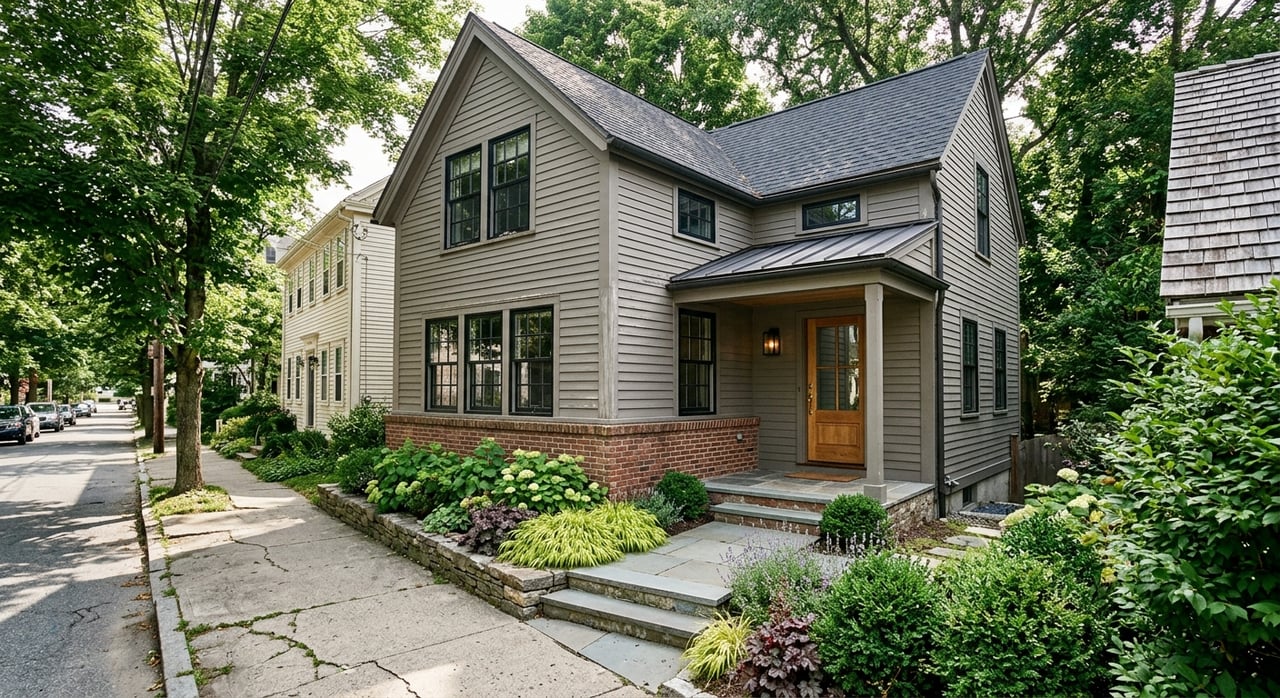
If you are shopping for a home, Manchester’s housing mix is important to understand. The city’s draft 2026 to 2031 master plan says the housing supply is mostly detached single-family homes. That is helpful context if you are comparing Manchester with places that have a denser mix of condos or large apartment communities.
Older homes tend to cluster on and around Main Street, which fits the community’s historic core. Newer detached subdivisions named in the plan include Emerald Glen East, Emerald Glen West, and Manchester Woods. The city also has some duplexes, condominiums, small apartment complexes, and a mobile-home community.
For buyers, that means you may see a blend of older character homes and newer-build neighborhood options. If you are relocating or moving within Washtenaw County, this kind of variety can make Manchester worth a closer look. It gives you the chance to weigh charm, layout, lot size, and proximity to downtown based on your priorities.
Daily routines can feel simpler here
One reason Manchester stands out is that its layout seems to support a more close-in routine. The city notes four WAVE bus stops in Manchester, along with a senior transportation service and meal delivery for shut-ins. Those details show that transportation and community support services are part of the local system.
The city also notes that all school buildings and athletic fields are within the Manchester City High School limits, while the district says Manchester Community Schools offers a broad academic and extracurricular program. From a logistics standpoint, having key destinations grouped within the community can make schedules easier to manage.
Taken together, Manchester’s size, centralized services, parks, and event calendar suggest a daily pattern that is less spread out than a typical car-dependent suburb. That will not mean the same thing to every buyer, but for many people, it translates to a more connected and manageable pace.
Who might enjoy Manchester most
Manchester may be a strong fit if you want a home in a place where the town center still matters. It can also appeal if you like historic character, local traditions, and the idea of parks and civic spaces being part of regular life instead of separate destinations.
It may be especially worth considering if you are deciding between larger suburban communities and smaller towns in the western Washtenaw area. Manchester offers a housing stock that is largely single-family, a recognizable downtown core, and nearby outdoor recreation. For buyers who want substance and character in a compact setting, that combination can be compelling.
Final thoughts on village living
Village living in Manchester is less about a single feature and more about how everything works together. The compact size, downtown-centered layout, historic core, active event calendar, and access to parks all shape a lifestyle that feels grounded and local.
If you are trying to decide whether Manchester fits your move, the best next step is to compare neighborhoods, housing styles, and commute patterns with your day-to-day goals. If you want help exploring homes in Manchester or nearby Washtenaw County communities, reach out to Darby Notario for practical, local guidance.
FAQs
What is daily life like in Manchester, Michigan?
- Daily life in Manchester tends to feel compact and town-centered, with many residents living within a half mile of the Main Street Bridge and community services, parks, and events playing a visible role in local routines.
What kind of homes are common in Manchester, MI?
- According to the city’s draft master plan, Manchester’s housing stock is mostly detached single-family homes, with older homes around Main Street, newer subdivisions, and a smaller number of duplexes, condos, apartments, and mobile-home housing.
Does Manchester, Michigan have a walkable downtown?
- City materials describe strolling as pleasant for many residents, note that bicycling is popular, and indicate that downtown parking can be limited, all of which suggest a compact, walkable-to-many town center.
What community events are popular in Manchester, MI?
- Well-known local traditions include the Manchester Chicken Broil, the Community Fair, holiday luminaria, youth sports, summer concerts, Fourth of July celebrations, and the Riverfolk Festival.
Are there parks and trails near Manchester, Michigan?
- Yes. Manchester includes parks such as Carr Park, Wurster Park, Chi-Bro Park, and River Raisin Park, and it also has access to trail connections and nearby outdoor destinations like Watkins Lake State Park and County Preserve.
Is Manchester, MI a good option for buyers who want a small-town feel?
- Manchester may appeal to buyers looking for a compact community with a historic downtown, mostly single-family housing, local events, and nearby recreation in western Washtenaw County.